
Get theory test ready.
Before you can take your practical driving test, you need to demonstrate that you understand the rules of the road and how to recognise potential hazards.
The theory test is more than a collection of questions. It helps you develop the knowledge and awareness needed to make safer decisions behind the wheel. With the right preparation, you can build a strong foundation for your practical driving lessons and your future as an independent driver.
Understanding the theory test
The driving theory test checks that you have the knowledge and awareness needed to drive safely. It assesses more than your ability to remember rules — it looks at how well you understand the road environment and recognise developing hazards.
Your first important step towards independent driving
If you're learning to drive a car, you must pass the theory test before you can book your practical driving test.
The test is designed to assess your understanding of road rules, traffic signs, safe driving practices and how to respond to potential hazards.
Developing this knowledge early will also help you understand the situations you encounter during your practical driving lessons.
Knowing why a particular action is safer helps you apply your knowledge when situations change. That's an important part of becoming a thinking driver.
Multiple-choice questions
You'll answer questions covering a range of driving topics, including road signs, the Highway Code, vehicle safety, road rules and responsible driving.
Hazard perception
You'll watch video clips showing everyday road scenes and identify developing hazards by clicking when you spot them. This tests your ability to recognise situations that may require you to take action.
Why both parts matter: safe driving requires knowledge and the ability to recognise when something is changing around you. Understanding the rules is important, but being able to anticipate hazards and respond appropriately is just as essential.
Two parts. One theory test.
The car theory test combines multiple-choice questions with a hazard perception test. You need to pass both parts to pass the overall theory test.
Test your knowledge of the road
You'll answer 50 multiple-choice questions on a computer at the test centre. Questions are based on topics such as the Highway Code, road signs, vehicle safety, driving rules and safe behaviour.
Some questions may require you to select more than one answer. Read each question carefully and make sure you understand exactly what it is asking.
Recognise hazards as they develop
You'll watch 14 video clips showing everyday road scenes. Each clip contains at least one developing hazard, and one clip contains two.
Your task is to identify developing hazards by clicking the mouse as soon as you recognise that a situation is developing and may require you to take action.
The earlier you respond within the scoring window, the more points you can score. Each developing hazard is scored out of five points.
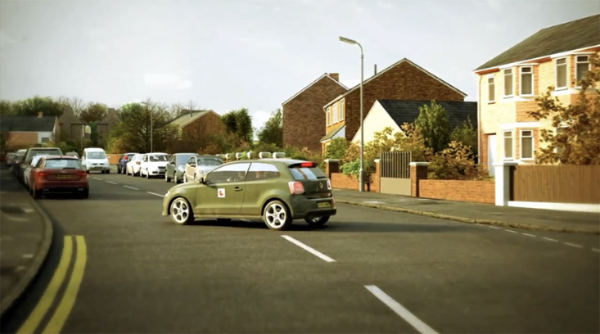
Look well ahead and scan the whole scene. A developing hazard is something that may cause you to change speed, direction or stop. Practise recognising how situations evolve, rather than simply clicking whenever you see another road user.
What do you need to learn?
The theory test covers much more than remembering road signs and answering questions. It is designed to check that you understand the rules, recognise risks and know how to make safer decisions on the road.
The Highway Code
Understand the rules of the road, road priorities, safe road use and the responsibilities of drivers. Learn what the rules mean and how they apply to everyday driving situations.
Traffic signs and road markings
Recognise warning, regulatory and information signs, traffic signals, road markings and temporary signs. Understand how they influence your decisions and actions.
Road and traffic situations
Learn how to deal with junctions, roundabouts, pedestrian crossings, different road types, traffic conditions and sharing the road with other road users.
Vehicle safety and maintenance
Understand basic vehicle checks, warning lights, tyre safety, braking, vehicle condition and the importance of keeping your vehicle safe and roadworthy.
Attitude and responsibility
Explore how attitude, concentration, fatigue, alcohol, drugs, distractions and emotions can affect driving. Understand your responsibilities towards other people.
Hazard awareness
Develop your ability to look ahead, scan the road environment and recognise potential dangers. Learn how hazards develop and when you may need to change speed or direction.
Don't just memorise the answers. Understand the reasons behind them.
Learning the correct answer is important, but understanding why it is correct will help you apply that knowledge when you start driving independently.
Your theory test preparation is the beginning of becoming a thinking driver. Keep asking yourself not just what the rule is, but why it matters and how it helps keep you and other road users safe.
What does it take to pass?
You need to achieve the required score in both parts of the theory test. A strong result in one section cannot make up for a score below the pass mark in the other.
You need at least 43 correct answers out of 50 questions.
You need at least 44 points across the developing hazards.
You must pass both parts
Your multiple-choice result and hazard perception result are assessed separately. You must reach or exceed both pass marks during the same theory test.
This is why it's important to give both parts of your preparation equal attention. Knowing the Highway Code is important, but so is developing your ability to recognise hazards and understand how situations can change.
What happens if you don't pass?
If you don't achieve the required score in either part, you'll need to book and take the full theory test again. Use your result to identify which areas need more preparation before your next attempt.
How to prepare effectively
Good preparation is about building your understanding over time. A little focused revision regularly is usually more useful than trying to learn everything in one go just before your test.
Understand the Highway Code
Use the Highway Code as your foundation. Work through the different topics and make sure you understand the rules, signs and responsibilities that apply to drivers.
Practise questions regularly
Use reliable revision materials and practice questions to check your knowledge. When you get an answer wrong, take time to understand why.
Develop hazard perception skills
Practise watching road scenes carefully. Look well ahead, scan the environment and identify situations that could develop into hazards.
Review your progress
Identify the topics you find difficult and return to them. Use your practice results to guide your next revision session.
Build a revision routine that works for you
You don't need to spend hours revising every day. Create a realistic routine that fits around your other commitments and gives you time to understand what you're learning.
Before booking, make sure you have covered the relevant topics and are consistently achieving the required pass marks in realistic practice tests. Being prepared will help you approach the test with greater confidence.
Make the most of your learning resources
Practice apps are useful, but it's important to learn from reliable sources too. These official publications will help you build a stronger understanding of the rules, signs and responsibilities that come with driving.
The Highway Code
The essential guide to road rules, signs, markings and safe road use. It explains the responsibilities of drivers and other road users, helping you understand how to use the road safely.
Know Your Traffic Signs
A dedicated guide to the signs, signals and road markings you'll encounter on UK roads. It helps you recognise what signs mean and understand how they affect your actions as a driver.
Driving: The Essential Skills
A comprehensive guide to safe driving, covering practical skills, observation, planning, vehicle control and dealing with different road and traffic conditions.
Build knowledge that lasts beyond your theory test
These resources are not just for passing an exam. They provide knowledge you'll continue to use throughout your learning journey and your driving life.
Understand it.
Apply it.
Driving Theory Test Success
Having the right revision tools can make preparing for your theory test much easier. Driving Theory Test Success offers learning and practice resources to help you work through the knowledge and hazard perception sections.
Use the practice questions to check your understanding, revisit topics you find difficult and build familiarity with the format of the test.
The hazard perception practice can also help you develop your ability to recognise developing hazards and respond at the right time.
Don't use practice questions simply to memorise the answers. When you get a question wrong, take the time to understand the explanation. The aim is to build knowledge you can apply when you begin driving independently.
RoadSmart may receive a commission if you purchase through its recommended Driving Theory Test Success link. This does not affect the price you pay.
Build your knowledge. Prepare with confidence. Think ahead.
Your theory test is an important milestone on the road to becoming a driver. Take time to understand the rules, develop your hazard awareness and build the knowledge you'll need throughout your driving journey.
